Complimentary or Complementary: What’s the Difference?

Quick Answer: Complimentary means free or expressing praise, while complementary means completing, matching, or enhancing something else. Example: The hotel ...
Read more
That or Which: Difference and When Should You Use Each?

Both flutist and flautist are correct, but flutist is more common in American English, while flautist is used more often ...
Read more
Excel IF or: How to Use OR with the IF Function (Easy Guide)
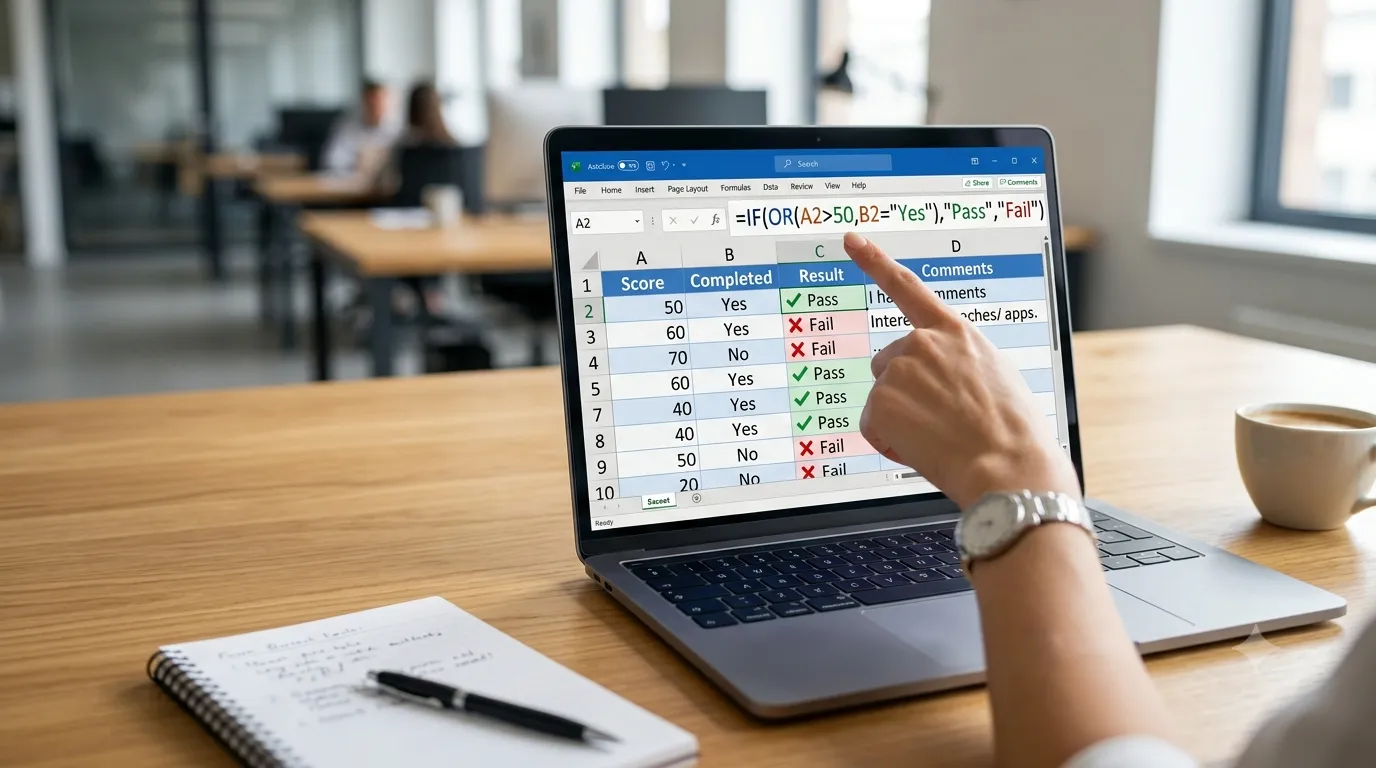
Excel IF OR lets you test multiple conditions at once: if any one condition is TRUE, the IF formula returns ...
Read more
Python or Operator: Complete Guide With Easy Examples

Python or operator returns True if at least one condition is True. It is a logical operator used to combine ...
Read more
Bread or Buns: The Complete Guide to Choosing Right

Bread or buns both belong to the bread family, but they are made and used differently. Bread is usually baked ...
Read more
Cue or Queue: Complete Guide to Meaning, Differences, and Correct Usage
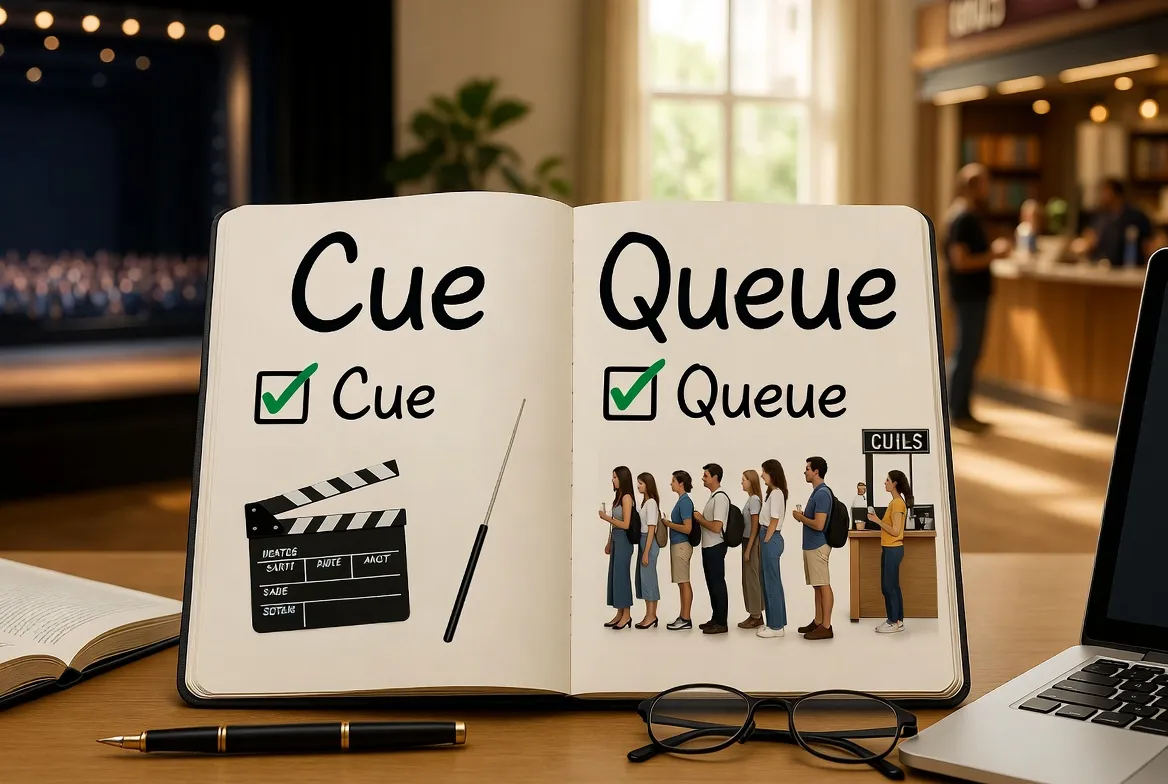
Cue or queue are two different words with different meanings. Cue means a signal, hint, or prompt, while queue means ...
Read more
OLED or QLED: Complete Guide to Choosing the Right TV Display

OLED or QLED refers to two different TV display technologies. OLED offers perfect blacks and stunning contrast, while QLED provides ...
Read more
Upmost or Utmost: The Complete Guide to the Correct Word

Utmost is the correct English word. Upmost is almost always a mistake when you mean “greatest,” “highest,” or “most important.” ...
Read more
Spelled or Spelt: The Complete Guide to Correct Usage

Spelled and spelt are both correct past tense forms of the verb spell. Spelled is more common in American English, ...
Read more
Further or Farther: Easy Way to Never Mix Them Up

Further means more in depth or time, while farther means more physical distance. Use “farther” for miles and “further” for ...
Read more