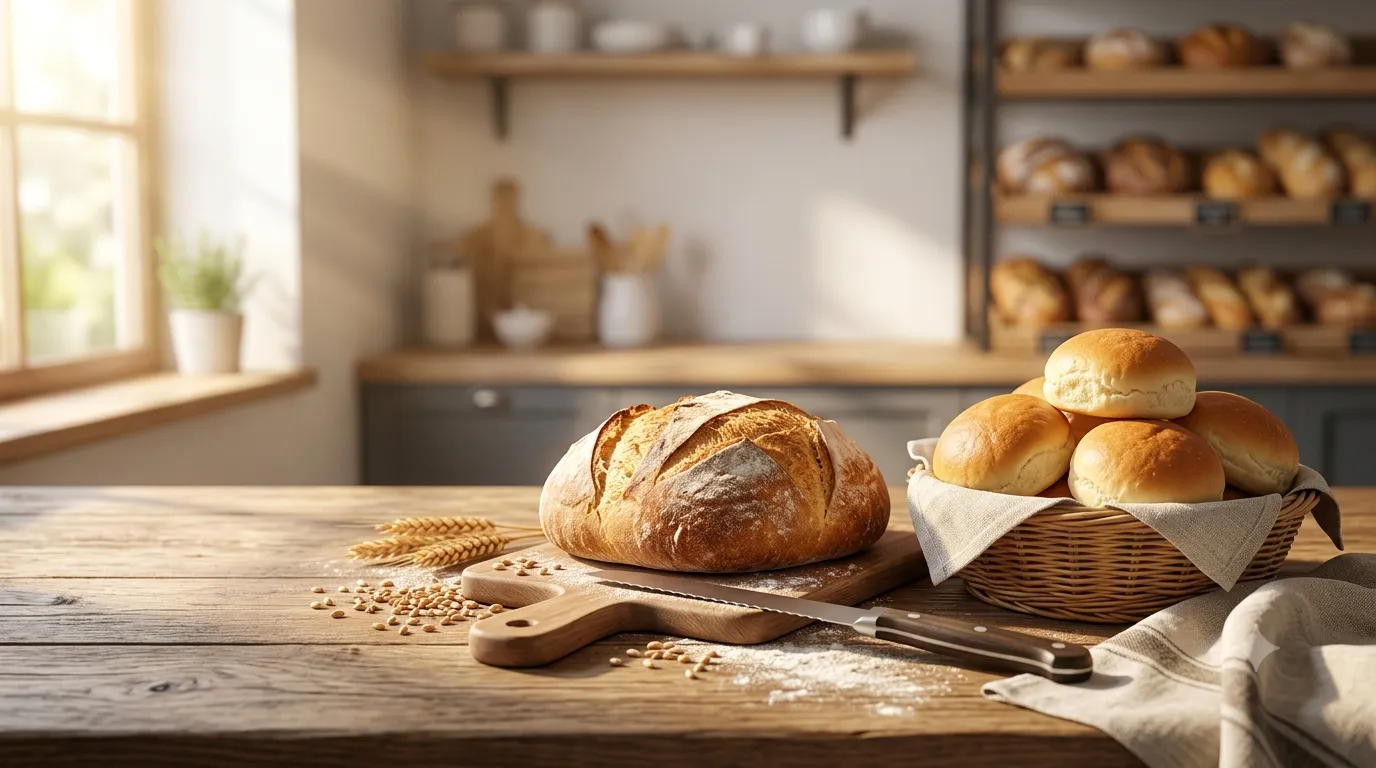
Bread or buns both belong to the bread family, but they are made and used differently. Bread is usually baked as a loaf and sliced, while buns are small, individual rolls often used for burgers, sandwiches, or served as side bread.
I still remember walking into a bakery during a family trip. I asked for bread to make sandwiches, but the baker handed me a bag of soft buns instead. At first, I thought they were exactly the same. Once I started cooking, I quickly learned they were not.
Many people search for bread or buns because recipes, grocery stores, and restaurants often use these words differently. If you’re making sandwiches, planning a barbecue, or simply shopping for breakfast, choosing the right one can make a surprising difference.
The good news is that the choice isn’t difficult once you know what each one is designed for. A loaf of bread and a bun may share many ingredients, but they serve different purposes and create different eating experiences.
By the end of this guide, you’ll know the real difference between bread and buns, when to use each one, common mistakes to avoid, and which option fits your meal best.
Bread or Buns – Quick Answer
The simplest difference is size and purpose.
- Bread is usually baked as one large loaf and sliced after baking.
- Buns are baked as small, individual pieces.
Examples
- Make toast with bread.
- Serve burgers on buns.
- Prepare club sandwiches with sliced bread.
- Eat dinner rolls or hot dogs with buns.
The Origin / Background of Bread or Buns
Bread is one of the world’s oldest foods. Historians believe people have baked bread for more than 14,000 years. Early bread was flat and simple. As baking improved, people created many styles of loaves.
Buns appeared later. The word bun comes from old European languages and originally described a small, sweet cake. Over time, the meaning expanded to include soft bread rolls.
Today, bakeries make hundreds of varieties of both bread and buns. Some are sweet, while others are savory. Different cultures have their own favorites.
The confusion happens because both are made from similar ingredients:
- Flour
- Water
- Yeast
- Salt
- Sometimes milk, butter, or eggs
Despite similar ingredients, their size, shape, and use make them different.
Bread or Buns Explained : Key Differences
Although both are baked goods, they are not interchangeable in every recipe.
| Term | Meaning | When to Use | Region/Context |
| Bread | Large baked loaf sliced into pieces | Toast, sandwiches, garlic bread | Worldwide |
| Bun | Small individual bread roll | Burgers, hot dogs, sliders, dinner rolls | Worldwide |
Bread
Bread is ideal when you need many slices.
Examples include:
- White bread
- Whole wheat bread
- Rye bread
- Sourdough
- Multigrain bread
Buns
Buns are perfect for single servings.
Popular types include:
- Burger buns
- Brioche buns
- Hot dog buns
- Potato buns
- Dinner rolls
Which Version Should You Use?
The right choice depends on what you’re preparing.
For Sandwich Lovers
Choose bread because sliced bread is easier to stack with fillings.
For Burgers
Choose buns because they hold round patties better.
For Hot Dogs
Always use hot dog buns because of their shape.
For Breakfast
Use bread for toast or French toast.
For Family Dinners
Serve dinner buns beside soups or pasta.
For Global Use
Both words are correct. Simply match them to the food you’re serving.
Common Mistakes with Bread or Buns
Many people mix these terms.
| Mistake | Correct |
| Burger made with sliced bread is called a bun | It’s sliced bread, not a bun |
| Calling every loaf a bun | A loaf is bread |
| Thinking buns are always sweet | Many buns are savory |
| Using bread for hot dogs | Hot dog buns work much better |
| Assuming they’re nutritionally identical | Recipes vary, so nutrition differs |
These mistakes happen because supermarkets often display them in the same bakery section.
Bread or Buns in Real-World Examples
Professional Email
“Please order burger buns for tomorrow’s company barbecue instead of sliced bread.”
News Headline
“Local Bakery Introduces Healthier Whole-Grain Bread Collection.”
Social Media Post
“Fresh homemade buns came out perfectly today. Burger night is officially ready!”
Business Report
“Customer demand for artisan bread increased by 18% during the last quarter.”
Bread or Buns : Data, Trends & Usage
Search interest for bread or buns rises during:
- Summer barbecue season
- Holiday gatherings
- Back-to-school lunch planning
- Home baking trends
Search Intent
Primary intent: Informational
People want to know:
- Which one should they buy?
- What’s the difference?
- Which is healthier?
- Which works best for certain recipes?
Regional Interest
People worldwide search this topic, especially in countries where sandwiches, burgers, and home baking are popular.
Why It Matters Today
More people now bake at home and pay attention to nutrition. Understanding the difference helps shoppers buy the right product and reduce food waste.
Bread vs Buns Comparison Table
| Term/Variant | Meaning | Region/Context | Best Used When |
| Bread | Large loaf | Worldwide | Toast, sandwiches, recipes |
| White Bread | Soft sliced loaf | Worldwide | Everyday meals |
| Whole Wheat Bread | High-fiber loaf | Worldwide | Healthy eating |
| Bun | Small bread roll | Worldwide | Single servings |
| Burger Bun | Round bun | Worldwide | Hamburgers |
| Brioche Bun | Rich buttery bun | France and worldwide | Premium burgers |
| Hot Dog Bun | Long bun | Worldwide | Hot dogs |
| Dinner Roll | Small bun | Worldwide | Side dishes |
Frequently Asked Questions
Q: What does bread or buns mean?
A: It refers to two common bakery products. Bread is usually a sliced loaf, while buns are small individual rolls made for single servings.
Q: How do you use bread and buns correctly?
A: Use bread for toast and regular sandwiches. Use buns for burgers, hot dogs, and dinner rolls.
Q: Bread vs buns : what’s the main difference?
A: Bread is larger and sliced after baking. Buns are baked individually and are usually round or oval.
Q: Are buns healthier than bread?
A: Not always. Nutrition depends on ingredients. Whole-grain bread may contain more fiber, while some buns contain extra sugar or butter.
Q: Which is correct for burgers, bread or buns?
A: Burger buns are the correct and most practical choice because they fit burger patties well.
Q: Where does the word bun come from?
A: The word originally referred to a small sweet cake in Europe before becoming the name for small bread rolls.
Q: Can bread replace buns?
A: Yes, but only when necessary. A burger can be served on sliced bread, though the eating experience will be different.
Conclusion
Choosing between bread or buns is much easier once you understand their purpose. Bread comes as a loaf that you slice for toast and everyday sandwiches. Buns are smaller and designed for individual meals like burgers, hot dogs, and dinner rolls.
Remember these simple points:
- Bread works best for sliced meals.
- Buns are made for single servings.
- Both use similar ingredients but serve different purposes.
- The right choice depends on what you’re cooking.
Next time you’re standing in the bakery aisle, you won’t have to guess. You’ll know exactly which one belongs in your shopping cart.
Bookmark this guide so you never second-guess bread or buns again, and share it with someone planning their next meal or barbecue.
Cue or Queue: Complete Guide to Meaning, Differences, and Correct Usage

Taha Husnain is an English researcher specializing in literature, language studies, and critical analysis. Their work focuses on advancing scholarly understanding through research and academic writing, with contributions to contemporary discussions in English studies.