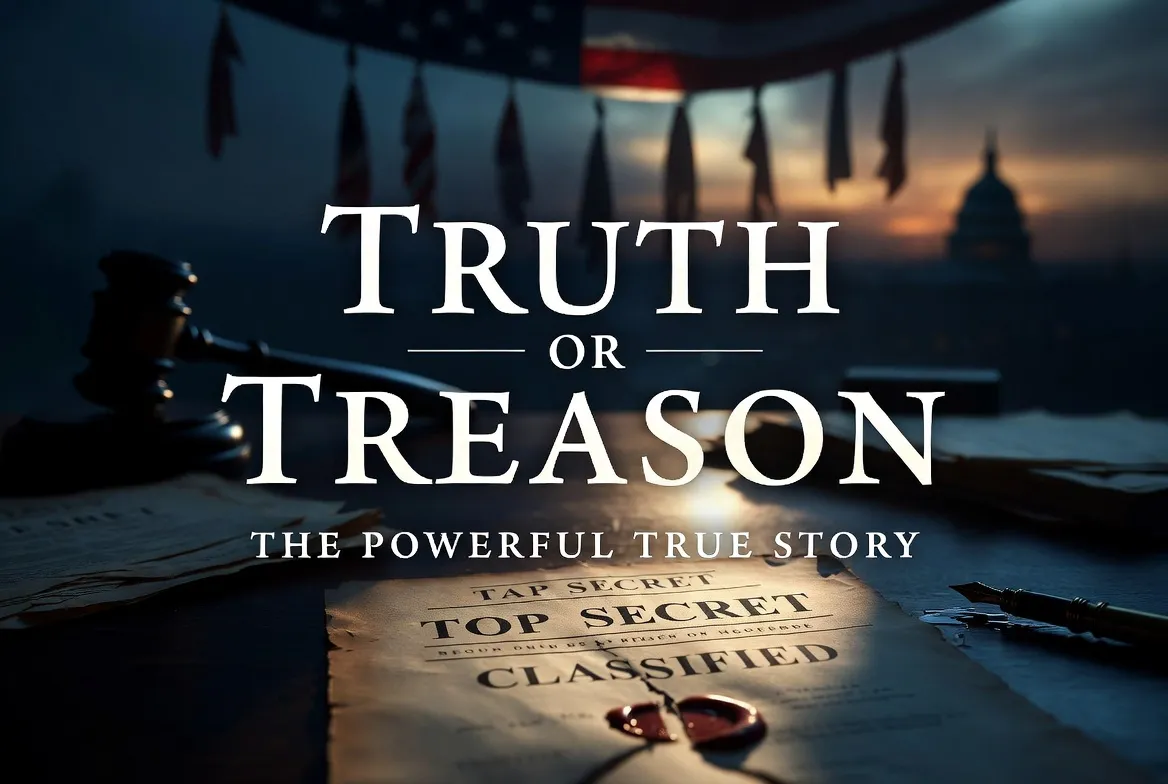
Truth or treason is the moral dilemma at the heart of the 2025 film Truth & Treason. It asks whether speaking the truth against a lying regime counts as loyalty or betrayal : in this case, a brave teen chose truth and paid the ultimate price.
I still remember the first time I heard about Helmuth Huber. A friend mentioned this teenage boy in Nazi Germany who risked everything just to share the truth. At the time, I thought it was just another war story. But as I dug deeper, it hit me hard. Here was a kid : not much older than my own students when I taught history : facing a choice that most adults never have to make: stay silent and safe, or speak up and become a “traitor.”
That gut-wrenching decision is what Truth & Treason brings to life. People search for this because they want to understand courage in dark times. They wonder how anyone could stand against an entire system. This article breaks it all down : the real history, the film, the deeper meaning, and why this story still matters today. You’ll walk away knowing exactly what “truth or treason” really means and how it applies to your own life.
Truth or Treason – Quick Answer
Truth or treason captures the impossible choice faced by those living under tyranny. When your government lies and demands blind loyalty, telling the truth becomes an act some call treason. In the story of Helmuth Hübener, a 16-year-old boy decided that silence was the real betrayal. He printed and distributed anti-Nazi leaflets based on banned BBC broadcasts. To the regime, it was treason. To those who value honesty, it was truth.
Think of it like this: Your best friend is spreading harmful rumors. Do you stay quiet to keep the peace, or speak up and risk the friendship? Helmuth faced that on a national scale.
The Origin and Background of Truth or Treason
The phrase “truth or treason” gained fresh attention with the 2025 Angel Studios film. But its roots go back to the real-life events of 1941–1942 in Hamburg, Germany. Helmuth Hübener, a member of the Church of Jesus Christ of Latter-day Saints, worked as an apprentice at city hall. He saw the propaganda, heard the lies on official radio, and secretly tuned into foreign broadcasts that revealed the truth.
With two friends, he created leaflets warning people about Nazi deception. The Gestapo eventually caught them. Helmuth was the youngest person executed by the Nazis for resistance : just 17 years old.
The film, directed by Matt Whitaker, dramatizes this story. It shows the tension between loyalty to country and loyalty to truth. Many viewers come away asking themselves: Would I have had the courage?
Truth or Treason Explained – Key Differences and Variations
People often mix up the concepts of dissent, betrayal, and moral courage. Here’s a clear breakdown:
| Term/Variant | Meaning | Region/Context | Best Used When |
| Truth | Speaking facts against official lies | Moral/ethical discussions | When defending honesty over safety |
| Treason | Betraying your country or government | Legal/political | When the state defines loyalty |
| Truth or Treason | The dilemma of choosing truth over regime loyalty | WWII resistance stories | Discussing moral courage |
| Civil Disobedience | Peaceful resistance to unjust laws | Modern protests | Non-violent change efforts |
The film uses “truth or treason” to highlight how the same act can look completely different depending on your perspective. To the Nazis, Helmuth was a traitor. To history, he is a hero.
Which Version or Approach Should You Use?
For students and history buffs: Focus on the truth side. Study primary sources and Helmuth’s own words. It builds critical thinking.
For parents or faith communities: Emphasize the moral courage aspect. The film highlights faith guiding young people to do what is right.
For global or neutral audiences: Use “truth or treason” as a discussion starter about ethics in authoritarian times. It works across cultures because the human struggle feels universal.
My recommendation? Always lean toward truth. History shows that regimes built on lies eventually crumble. Speaking truth early can prevent bigger disasters.
Common Mistakes with Truth or Treason
- Confusing dissent with disloyalty: Many think questioning leaders means hating your country. Correction: Real patriotism often requires calling out wrongs.
- Waiting for someone else to act: Helmuth didn’t wait for adults. Mistake happens because fear feels safer. Truth: Small actions add up.
- Assuming one person can’t make a difference: People dismiss individual resistance. But Helmuth’s leaflets reached hundreds before his arrest.
- Forgetting the personal cost: Viewers sometimes romanticize resistance. Reality: It cost Helmuth his life, but his story inspires millions today.
- Overlooking faith’s role: Some secular retellings ignore how Helmuth’s beliefs fueled his bravery.
Truth or Treason in Real-World Examples
Professional email:
“After reviewing the reports, I believe we must choose truth over convenience. Staying silent would betray our team’s values.”
News headline:
“Truth or Treason: Young German’s Brave Stand Against Nazi Lies Remembered in New Film”
Social media post:
“Watching Truth & Treason reminded me : in a world full of propaganda, choosing truth is never treason. Who’s your hero of courage? #TruthOrTreason”
Formal report:
“The committee concluded that transparency serves the public interest, even when it challenges established narratives : a principle echoed in historical cases of truth versus perceived treason.”
Truth or Treason : Data, Trends & Usage
Searches for “truth or treason” spiked around the film’s October 2025 release. Interest remains high among history enthusiasts, faith-based audiences, and parents looking for meaningful stories for teens. The story resonates strongly in the US and Europe, where WWII education is common.
What matters now? In an age of misinformation and polarized politics, the question “truth or treason” feels urgent. People want stories that show ordinary individuals : especially young ones : can stand for what’s right.
FAQ
Q: What does “truth or treason” mean?
A: It describes the tough choice between telling the truth and being labeled a traitor by those in power. In Helmuth Hübener’s case, sharing facts about the war became “treason” under Nazi law.
Q: How do you use “truth or treason” correctly?
A: Use it when discussing moral dilemmas where honesty conflicts with authority. Example: “He faced a truth or treason moment when he exposed the corruption.”
Q: Truth or treason vs. loyalty : what’s the difference?
A: Loyalty to a country can mean supporting its best ideals, not blindly following leaders. Truth sometimes requires challenging the current power to stay truly loyal to principles.
Q: Is “truth or treason” acceptable in formal writing?
A: Yes. It works well in essays, reviews, and discussions about ethics or history. Just explain the context clearly.
Q: Which version is correct : “Truth & Treason” or “Truth or Treason”?
A: The film title is Truth & Treason, but “truth or treason” is the broader phrase people use when discussing the theme. Both are fine depending on context.
Q: Where does the story of truth or treason come from?
A: It comes from the real life of Helmuth Hübener, a German teen executed in 1942 for resisting the Nazis. The 2025 film brings his story to wider audiences.
Q: Can “truth or treason” be used in everyday conversations?
A: Absolutely. Bring it up when talking about standing up at work, school, or in politics. It sparks great discussions about courage.
Conclusion
Truth or Treason teaches us several powerful lessons. First, one person’s voice can pierce through lies. Second, real courage often looks like treason to those in power. Third, staying silent when you know the truth is its own form of betrayal. And finally, young people have changed history before : they can do it again.
My final advice: Choose truth. It might feel risky in the moment, but it builds a life and a world worth living in. Watch the film if you haven’t. Talk about it with your family or friends. Then look for small ways in your own life to pick truth over easy loyalty.
Now you know exactly what truth or treason means : go share this story with someone who needs to hear it. Bookmark this guide and remember Helmuth’s example the next time you face a hard choice.
Loose or Lose: The Complete Easy Guide

Ifrah Maqsood is an English author passionate about creating articles that inspire and engage users.
Their work explores imagination, emotion, and the human experience across diverse themes.
Through their writing, they aim to leave a lasting impact on audiences around the world.