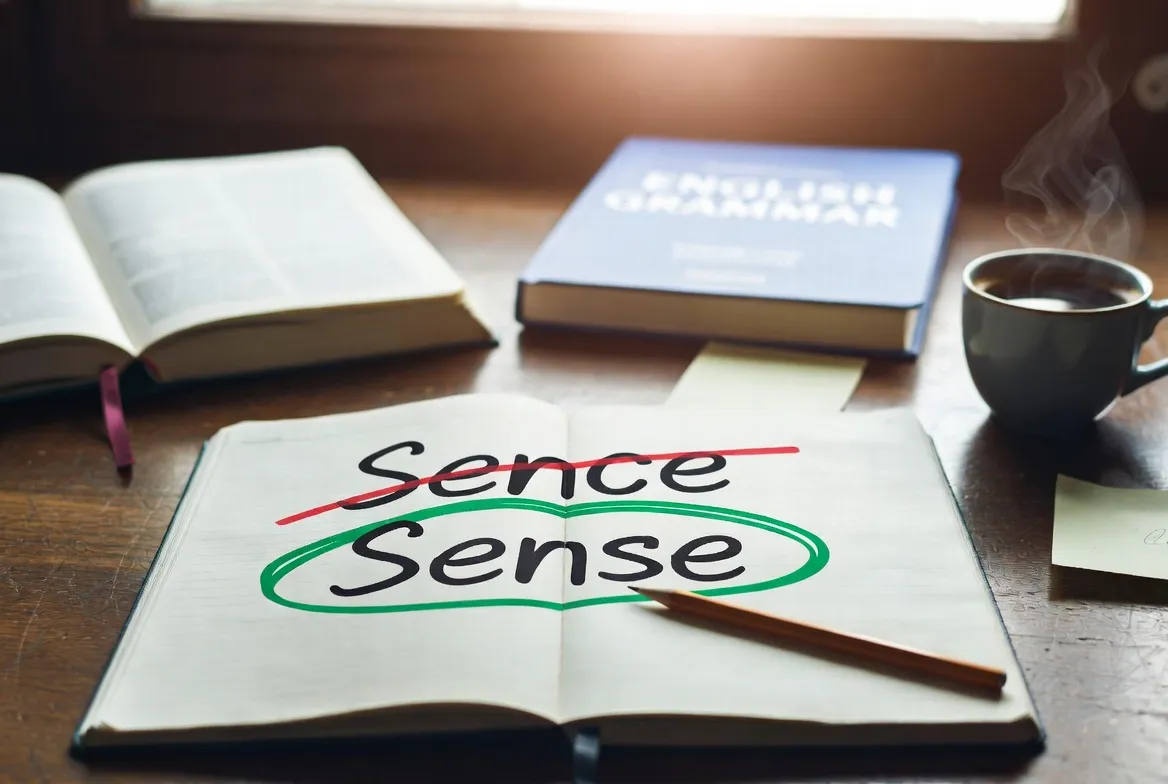
Sense is the correct spelling. It means understanding, meaning, or one of the five human senses (e.g., That makes sense).
Have you ever typed sence and wondered if it was the correct spelling? You are not alone. Many English learners and even native speakers search for sence or sense because the two words sound almost the same. Spell-check tools often fix the mistake, but they do not always explain why.
The confusion happens because English has many words that sound alike but have different spellings. In this case, only one spelling is correct in modern English. Knowing the right form helps you write better emails, school assignments, social media posts, and professional documents.
In this guide, you will learn the difference between sence or sense, where the word comes from, and how to use it correctly in everyday writing. We will also compare British and American English, show common mistakes, and answer the questions people ask most. By the end of this article, you will know which spelling to choose with confidence.
Sence or Sense – Quick Answer
Sense is the correct spelling.
Sence is a misspelling and is not accepted in standard English dictionaries.
Definition of sense:
The word sense can mean understanding, good judgment, or one of the five ways humans experience the world (such as sight, hearing, smell, taste, and touch).
Examples
- That idea makes sense.
- She has a strong sense of humor.
- Dogs have a great sense of smell.
The Origin of Sence or Sense
The word sense comes from the Latin word sensus, meaning “feeling,” “perception,” or “understanding.” It entered English through Old French and has been part of the language for hundreds of years.
The spelling has stayed almost the same throughout history. The incorrect spelling sence likely appears because people write the word based on its pronunciation. Since English spelling does not always match pronunciation, this mistake is common.
Today, dictionaries recognize only sense as the correct spelling.
British English vs American English Spelling
Unlike many English words, sense has the same spelling in both British and American English.
| Version | Spelling | Region | Example Sentence |
| Standard English | Sense | United States | That makes perfect sense. |
| Standard English | Sense | United Kingdom | She has a good sense of direction. |
| Incorrect Form | Sence | None | ❌ This spelling is incorrect. |
Key point: There is no British or American spelling difference. Sense is correct everywhere.
Which Spelling Should You Use?
Your choice is simple because there is only one correct spelling.
US Audience
Always use sense.
UK/Commonwealth Audience
Always use sense.
Global/SEO Audience
Use sense in all articles, websites, emails, and business writing. Avoid sence, as search engines and readers recognize it as a spelling mistake.
Common Mistakes with Sence or Sense
Here are some mistakes people often make.
| Incorrect | Correct |
| That makes sence. | That makes sense. |
| Common sence | Common sense |
| Sence of humor | Sense of humor |
| Sence of direction | Sense of direction |
Tips to Remember
- Sense always ends with -se.
- If you mean understanding, feeling, or judgment, use sense.
- Never use sence in formal writing.
Sence or Sense in Everyday Examples
Emails
- Your explanation makes sense.
- It makes sense to schedule the meeting tomorrow.
News Headlines
- Experts say the new policy makes sense.
- Scientists study the human sense of smell.
Social Media
- Finally, someone is talking with sense!
- That advice makes complete sense.
Formal Writing
- The results make logical sense.
- The report provides a clear sense of the problem.
Sence or Sense – Google Trends & Usage
People search for sence or sense because they are unsure about the correct spelling.
The correct spelling, sense, is widely used in books, newspapers, websites, schools, and business communication around the world.
Searches for sence usually come from spelling mistakes or people checking whether it is correct. English learners often search this comparison to improve their writing and avoid common errors.
Comparison Table
| Feature | Sense | Sence |
| Correct spelling | ✅ Yes | ❌ No |
| Found in dictionaries | ✅ Yes | ❌ No |
| Used in everyday English | ✅ Yes | ❌ No |
| Accepted in formal writing | ✅ Yes | ❌ No |
| British English | ✅ Yes | ❌ No |
| American English | ✅ Yes | ❌ No |
| Recommended for SEO | ✅ Yes | ❌ No |
FAQs
Is sence a real English word?
No. Sence is a spelling mistake. The correct word is sense.
Which is correct: sence or sense?
Sense is always the correct spelling.
Does British English use sence?
No. British English uses sense, just like American English.
Why do people spell sense as sence?
People often spell words the way they sound. Since English pronunciation can be confusing, this mistake is common.
Can I use sence in formal writing?
No. Always use sense in formal, academic, and business writing.
How can I remember the correct spelling?
Think of the phrase “common sense.” It always uses sense with -se.
Conclusion
The confusion between sence or sense is easy to understand because the words sound similar. However, the answer is simple. Sense is the only correct spelling in modern English, while sence is simply a misspelling. This rule is the same in American English, British English, and every other variety of standard English.
Whether you are writing an email, creating a school project, posting on social media, or publishing professional content, you should always choose sense. It correctly expresses ideas related to understanding, judgment, or the human senses. Using the right spelling also makes your writing look more professional and easier to understand.
If you ever hesitate between sence or sense, remember this simple rule: sense belongs in every correct sentence, while sence does not belong in standard English. Keep practicing, read carefully, and soon the correct spelling will become natural every time you write.
Armor or Armour: Which Spelling Is Correct?

Ifrah Maqsood is an English author passionate about creating articles that inspire and engage users.
Their work explores imagination, emotion, and the human experience across diverse themes.
Through their writing, they aim to leave a lasting impact on audiences around the world.